


A luxury ski holiday rarely feels expensive because of one line item. It feels expensive when a beautiful weekly rate turns into a much larger total once staffing, transfers, ski services, and peak-week premiums come into view. That is why knowing how to plan chalet budget properly matters long before you choose a resort or shortlist a property.
The smartest chalet budgets begin with the full shape of the trip, not the headline rate. For affluent travelers, the goal is not to strip the experience down. It is to spend with intention, protect the standard of the stay, and avoid paying for the wrong kind of luxury.
How to Plan Chalet Budget Around the Whole Stay
A chalet is not priced like a hotel room, and that distinction changes everything. You are budgeting for a private residence experience, often across a full week, with space, views, service, and amenities that would be difficult to replicate through multiple hotel suites. The right question is not simply, “What does the chalet cost?” It is, “What will this stay cost once it reflects the way we actually want to travel?”
Start with five budget pillars: the property itself, the destination, the service model, the group profile, and the seasonal timing. Once these are clear, most pricing decisions become easier to judge.
The property cost is your base. This is usually the weekly rental amount, though some travelers also need to account for security deposits, local taxes, or additional housekeeping. The destination affects nearly every surrounding cost, from airport transfers to ski school pricing to restaurant spend. The service model changes both convenience and total outlay. A fully staffed chalet may carry a higher upfront rate, but it can reduce dining and logistics costs elsewhere. The makeup of your group matters because children, non-skiers, and mixed-ability skiers often create different spending patterns. Timing is often the biggest lever of all, especially around Christmas, New Year’s, February school breaks, and late-season value weeks.
Set Your Budget in Layers, Not One Number
The most reliable way to approach how to plan chalet budget is to divide it into layers. A single top-line figure can be misleading because chalet travel includes both fixed and flexible costs.
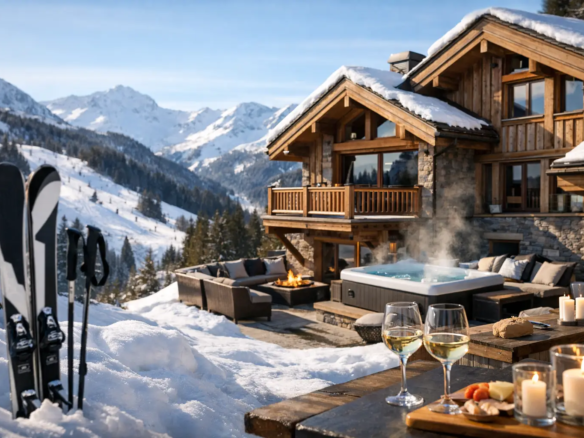
Your first layer is the accommodation budget. This should reflect the minimum standard you are unwilling to compromise on – location, bedroom count, privacy, and core amenities such as a spa, pool, cinema room, or dedicated ski room. For many high-end travelers, these are not indulgent extras. They are part of the point of choosing a chalet in the first place.
The second layer is operational comfort. This includes airport transfers, in-resort drivers if required, ski equipment, lift passes, childcare, groceries, wine, chef service, and restaurant reservations. This layer is where budget drift happens most often because it tends to be underestimated at the planning stage.
The third layer is lifestyle discretion. Think private instructors, heli-transfers, spa treatments, celebratory dinners, or upgrading from a good chalet to an exceptional one for better views or ski access. This is where personal priorities should lead. If your group cares deeply about ski-in, ski-out convenience, allocate more there and reduce elsewhere. If evenings matter more than first-chair access, invest in entertaining spaces and service.
Choose the Right Chalet Size for Value
Travelers often assume a larger chalet is less efficient. Sometimes it is. But in many cases, the better value comes from taking the right-size property rather than the lowest weekly rate.
A chalet that is too small can create hidden costs quickly. Guests end up booking restaurant dinners simply to escape cramped common areas, adding taxis because the property is farther out than ideal, or accepting a lower service level because there is no room for proper hosting. On the other hand, taking a significantly oversized chalet can mean paying for bedrooms and amenities your group will barely use.
The strongest value sits where layout and group dynamics match. Families traveling together may save substantially by sharing one large chalet with generous communal spaces instead of reserving several hotel suites or separate apartments. Groups of couples often benefit from properties with evenly proportioned ensuite bedrooms, so no one feels they paid premium pricing for a lesser room.
Service Level Changes the Real Cost
One of the most important decisions in how to plan chalet budget is choosing between self-catered, serviced, and fully staffed properties. This is not just a matter of taste. It changes the financial structure of the holiday.
A self-catered chalet gives you more control and can work beautifully for travelers who want privacy and flexibility. But in premium resorts, grocery delivery, restaurant reservations, in-house dining, and transport can add up quickly. If your party expects a polished, low-friction week, self-catered may not be the economical option it first appears to be.
A serviced chalet usually offers a middle ground, with housekeeping and some hospitality support included. This can be an excellent fit for families or groups who want comfort without the full staffing commitment.
A fully staffed chalet often delivers the clearest luxury value for larger groups. Private chefs, hosts, chauffeurs, and concierge support come at a premium, but they also reduce planning burden and improve the rhythm of the stay. When spread across several guests, the difference can feel more reasonable than expected, especially in top-tier properties where service is central to the experience.
Destination and Timing Matter More Than Many Expect
Two chalets with similar design, room count, and amenities can be priced very differently based on where and when you travel. Prestige resorts command a premium, but so does convenience. A chalet in a globally recognized destination with close lift access and strong après-ski culture will almost always cost more than a similarly elegant home in a quieter resort.
That does not make the more expensive option better in every case. Families with young children may find greater value in destinations with shorter transfer times, gentler slopes, and less pressure to spend on nightlife and dining. Groups focused on scenery and privacy may prefer a more discreet alpine village where the chalet itself becomes the centerpiece.
Timing deserves equal attention. Holiday weeks and school vacation periods can reshape your budget immediately. If your dates are flexible, moving even one or two weeks outside peak demand can open the door to stronger inventory and better pricing. Shoulder-season weeks may also offer a more relaxed resort atmosphere without sacrificing snow quality in higher-altitude destinations.
Build a Chalet Budget With a Contingency
Even the most carefully planned ski holiday benefits from a margin. A sensible chalet budget should include a contingency of around 10 to 15 percent, depending on how structured your itinerary is.
This reserve covers the things that tend to arise on luxury alpine trips: upgraded wine orders, an extra childcare request, a private guide for an off-piste day, weather-related transport adjustments, or a decision to add chef service for more evenings than originally planned. None of these are mistakes. They are part of traveling well. The issue is only when they were never budgeted for.
For travelers used to premium hospitality, contingency is less about caution and more about preserving freedom. It allows you to say yes to the additions that elevate the week without second-guessing every change.
A Practical Way to Compare Chalet Options
When comparing properties, evaluate each chalet on total trip value, not rate alone. A lower-priced chalet with longer transfers, limited staffing, and extra transport needs may end up costing more than a higher-priced option that includes better access and service.
A useful method is to compare each property across the same categories: weekly rate, included services, likely dining spend, transfer requirements, ski logistics, and any premium amenities that would otherwise be purchased separately. A chalet with a wellness area, driver service, or excellent proximity to the slopes may justify a stronger rate because it lowers friction elsewhere.
This is where a curated platform can be especially valuable. The Chalet Luxe, for example, presents luxury alpine stays in a way that helps travelers assess not just aesthetics but fit – country, resort, room count, and price point all in one refined view. For discerning guests, that makes budgeting far more precise.
How to Plan Chalet Budget Without Diluting the Experience
The best chalet budgets are not built to minimize spending at all costs. They are built to align spending with what matters most. If privacy matters, protect that. If effortless hosting matters, pay for service. If the dream is waking up steps from the piste with a mountain view and a spa waiting at the end of the day, budget around that first.
Where travelers go wrong is treating every upgrade as equal. They are not. Some details shape the entire trip, while others look impressive on a listing and barely affect the stay. A skilled budget is simply a reflection of priorities.
A well-planned chalet holiday should feel considered from the moment you arrive. Not restrictive, not overengineered – just clear. When the budget has been set with the same care as the destination, the result is exactly what luxury travel should be: relaxed, elevated, and fully worth it.

Join The Discussion