

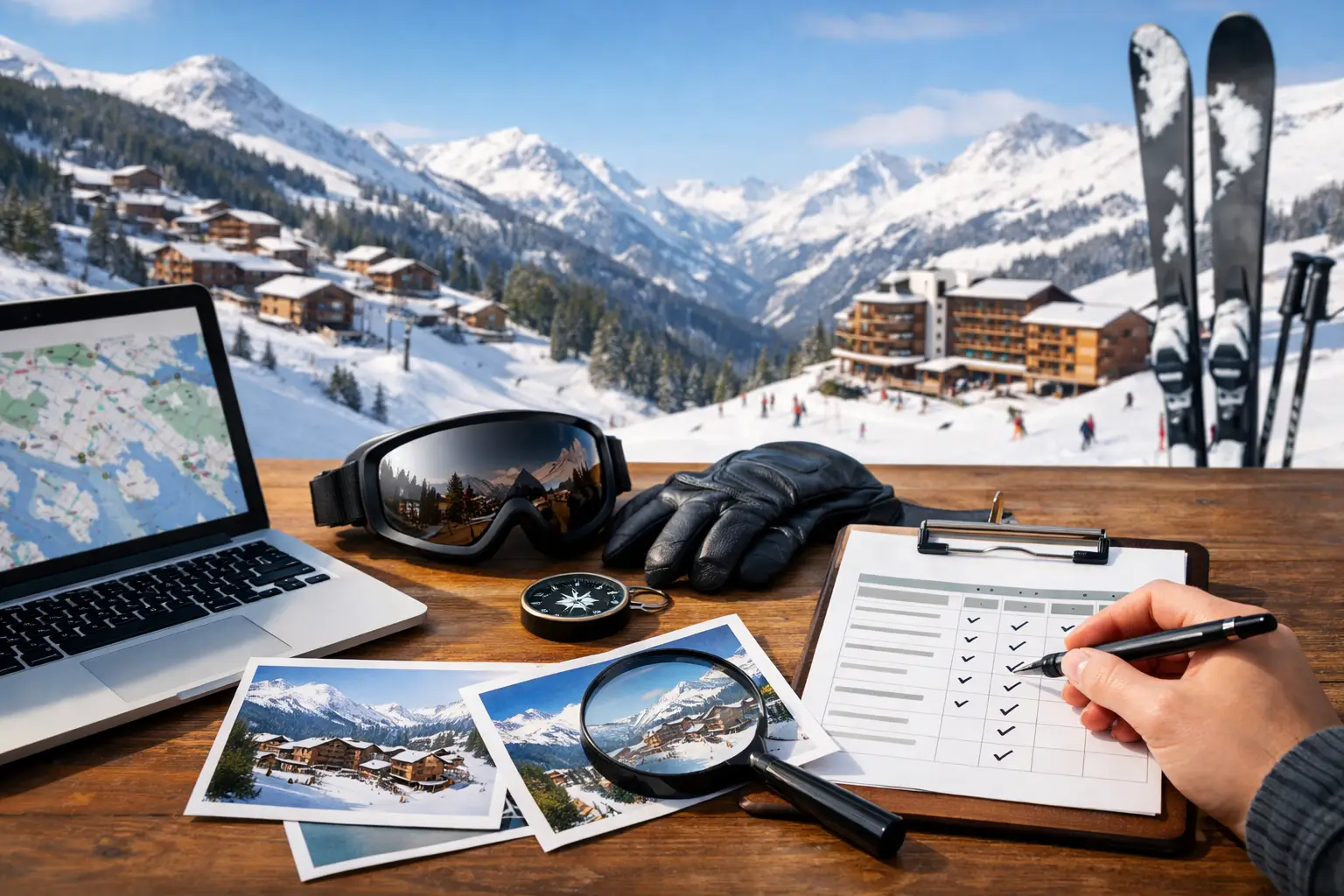
One resort promises ski-in, ski-out convenience. Another offers a glamorous village, better dining, and a longer transfer from the airport. A third may have the most impressive chalet selection, but a quieter social scene. That is exactly why knowing how to compare alpine resorts matters before you book – especially when the trip is meant to feel effortless from the moment you arrive.
For luxury travelers, the right choice is rarely about picking the most famous name on the map. It is about finding the resort that suits your pace, your group, and the kind of mountain week you actually want. A celebrated destination can still be the wrong fit if the terrain does not suit your skiers, the village feels too busy, or the accommodation options lean more hotel than private retreat.
How to compare alpine resorts beyond reputation
Prestige has its place, but reputation alone is a poor filter. Many alpine destinations are exceptional in different ways. Some excel in expansive ski terrain and high-altitude reliability. Others stand out for polished dining, designer boutiques, and a more discreet sense of exclusivity. The best resort for a family holiday may not be the best choice for a celebratory group trip, and vice versa.
Start by defining what the trip needs to deliver. If your priority is time on the mountain, ski access and terrain variety should lead the decision. If the trip is as much about gathering as it is about skiing, chalet layout, private wellness amenities, and village atmosphere may matter more. A resort should support the full experience, not just the postcard image.
Look at the skier profile in your group
One of the quickest ways to narrow the field is to consider who is actually skiing. Mixed-ability groups often need more thoughtful planning than all-expert parties. A resort with abundant beginner zones, strong ski schools, and forgiving blue runs will feel very different from one designed around challenging off-piste terrain and long red descents.
Families with children may value intuitive lift systems, gentle nursery slopes, and short travel times between chalet, lessons, and lunch. More advanced groups may prefer linked ski domains, high vertical drop, and terrain that stays engaging for a full week. If some guests are non-skiers, the resort also needs to offer enough beyond the slopes to make the stay feel complete.
Compare alpine resorts by location and access
A beautiful mountain setting loses some appeal after an overly complicated arrival. When comparing resorts, transfer logistics deserve more attention than many travelers give them. The difference between a smooth two-hour transfer and a much longer mountain journey can shape the tone of the first and last day.
French resorts often appeal to travelers who want access to vast ski areas and purpose-built convenience. Swiss resorts can offer precision, polish, and exceptional scenery, often with a refined village feel. Austrian resorts are known for warm hospitality, strong après-ski culture, and excellent service standards. Italian destinations frequently bring a more relaxed rhythm, remarkable cuisine, and a style of alpine living that feels distinctly elegant.
There is no universal winner here. It depends on whether you value scale, charm, ease, social energy, or discretion. The right geography is the one that supports your preferred travel rhythm.
Altitude, snow reliability, and season timing
Snow conditions are not interchangeable across the Alps. If you are traveling early or late in the season, altitude becomes especially relevant. Higher resorts generally offer better snow reliability, but they can sometimes feel more purpose-built and less traditionally picturesque than lower village destinations.
That trade-off is worth weighing carefully. Some travelers will gladly choose snow certainty over old-world charm. Others would rather stay in a more characterful resort and book during peak snow periods. If your trip dates are fixed around holidays, school breaks, or milestone celebrations, seasonal reliability should sit near the top of the list.
Accommodation tells you a great deal about resort fit
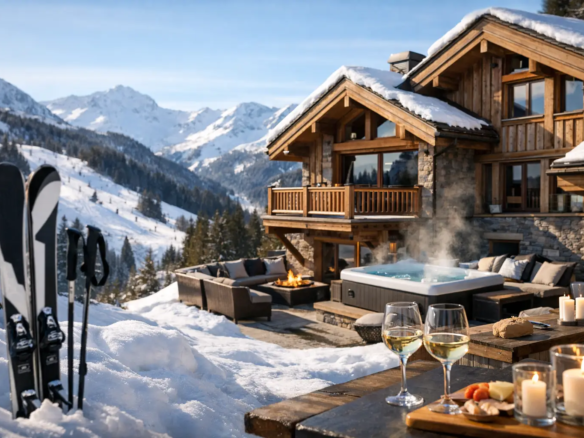
For discerning travelers, lodging is not a side note. It is often the clearest signal of whether a resort matches the standard of experience you want. Some destinations are rich in large, beautifully designed chalets with spa areas, cinema rooms, mountain views, and generous entertaining spaces. Others are stronger for luxury hotels than private residences.
This distinction matters. A hotel-led resort may suit couples who want full-service ease and a social scene close at hand. A chalet-focused resort is often better for families, multi-generational groups, or friends who want privacy, space, and the freedom to shape each day on their own terms.
When you compare options, look beyond bedroom count. Consider whether the layout supports your group dynamic. Open-plan living spaces, separate TV rooms for children, wellness facilities, terraces, staff quarters, and proximity to lifts all affect how relaxed the week will feel. At the premium end of the market, comfort is not simply about style – it is about how effortlessly the property works.
Service style matters as much as square footage
Luxury means different things in different resorts. In one destination, it may look like fully serviced chalets with private chefs and daily housekeeping. In another, it may mean elegant self-catered residences with concierge support and exceptional privacy. Neither model is inherently better.
The better question is what level of service your group wants. If the goal is complete ease, a fully staffed chalet can transform the week. If flexibility and independence matter more, a self-catered luxury stay may feel more natural. This is where a curated platform such as The Chalet Luxe becomes especially valuable, because the comparison is not only between resorts but also between service experiences within them.
Village atmosphere shapes the trip more than most travelers expect
Two resorts can offer similarly strong skiing and still feel completely different once the lifts close. Some villages are animated, fashionable, and social. Others are quieter, more residential, and designed for privacy. Neither is superior. The right choice depends on what your evenings should look like.
If your group wants long lunches, lively bars, and a visible luxury scene, choose a resort with a stronger social profile. If the ideal evening is returning to a private chalet, sitting by the fire, enjoying a chef-prepared dinner, and waking to mountain silence, a more discreet resort may be the better match.
This is particularly important for celebratory trips. Birthdays, holiday weeks, and group getaways often carry different expectations within the same party. One couple may care about Michelin-level dining, while another only wants spa time and early nights. The best resort is the one that satisfies the dominant mood of the group without forcing compromise at every turn.
Compare value, not just price
Luxury travelers are not necessarily looking for the lowest nightly rate. They are looking for the strongest overall fit and a level of experience that justifies the investment. That is why value is a more useful benchmark than price alone.
A resort with a higher entry cost may still offer better value if it gives you superior ski access, larger chalets, more dependable conditions, and fewer logistical frictions. By contrast, a lower-priced resort can become less appealing if it requires more driving, offers limited privacy, or forces your group into a property that does not suit how you travel.
Be realistic about what drives satisfaction. For some groups, a private spa, a driver service, or a prime mountainside location will have a meaningful effect on the week. For others, those upgrades may matter less than village charm or access to a specific ski school. The comparison should reflect what your party will actually use.
Ask the questions that reveal real fit
When evaluating resorts, a few practical questions often reveal more than glossy photography ever will. How long will it take to get from the chalet to the slopes each morning? Is the village walkable? Will advanced skiers and beginners both enjoy six full days there? Does the accommodation stock suit large groups well, or is it mostly geared toward smaller stays?
These are the details that determine whether a trip feels smooth or slightly misaligned. At the luxury level, travelers are not simply buying a destination. They are buying ease, rhythm, and confidence in the choice.
The best resort is the one that fits your version of alpine luxury
There is no single formula for how to compare alpine resorts because the right answer changes with every trip. A family ski week, a New Year celebration, and a quiet retreat with close friends should not all lead to the same destination.
The most rewarding approach is to compare resorts through the lens of lifestyle: how you want to spend your mornings, what kind of setting you want when the skiing ends, how much privacy matters, and what level of service makes the stay feel complete. Once those pieces are clear, the shortlist becomes far more obvious.
Choose the resort that feels effortless for your group, not merely impressive on paper. That is usually where the unforgettable stay begins.

Join The Discussion